
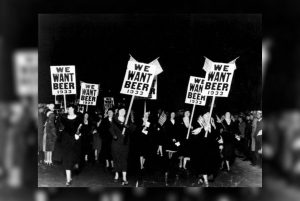
On April 7, 1933, Americans were finally able to legally purchase beer again for the first time in more than a decade—a moment that would later inspire the annual celebration known as National Beer Day. This milestone came as the Cullen-Harrison Act officially took effect, marking a turning point in the long and controversial era of Prohibition and signaling a cultural and economic shift across the country.
Signed into law just weeks earlier by President Franklin D. Roosevelt, the Cullen-Harrison Act legalized the production and sale of low-alcohol beer, defined as containing up to 3.2% alcohol by weight. While modest in scope, the legislation represented a major crack in the foundation of Prohibition, which had been in place since 1920 under the 18th Amendment. For millions of Americans, it was a long-awaited return of a familiar freedom—and a sign that broader change was on the horizon.
When the law took effect, the response was immediate and enthusiastic. Across the nation, crowds gathered outside breweries, taverns, and bars, eager to enjoy their first legal beer in 13 years. Lines stretched down city blocks, taps flowed freely, and newspapers captured the excitement of a country ready to celebrate. The moment wasn’t just about beer—it symbolized a renewed sense of optimism during the depths of the Great Depression, offering both relief and a small but meaningful return to normalcy.
The impact of the Cullen-Harrison Act extended far beyond the barroom. Legal beer sales quickly became an economic boost, helping to create jobs, generate tax revenue, and revive struggling industries. Roosevelt’s administration recognized that ending Prohibition, even in stages, could support economic recovery while also addressing the widespread public dissatisfaction with the ban on alcohol.
The success of the act helped pave the way for the full repeal of Prohibition later that same year with the ratification of the 21st Amendment. What began as a cautious step toward legalization ultimately led to a sweeping policy reversal and a permanent change in American law and culture.
Decades later, in 2009, National Beer Day was established as an unofficial holiday to commemorate April 7, 1933. What started as a grassroots effort quickly gained popularity, with breweries, bars, and beer enthusiasts embracing the occasion nationwide. The day before—April 6—is even informally celebrated as “New Beer’s Eve,” echoing the anticipation felt on the night before beer’s return.
Today, National Beer Day serves as more than just an excuse to raise a glass. It honors a defining moment in American history—one that reflects changing attitudes, economic necessity, and the enduring place of beer in the nation’s cultural fabric.
